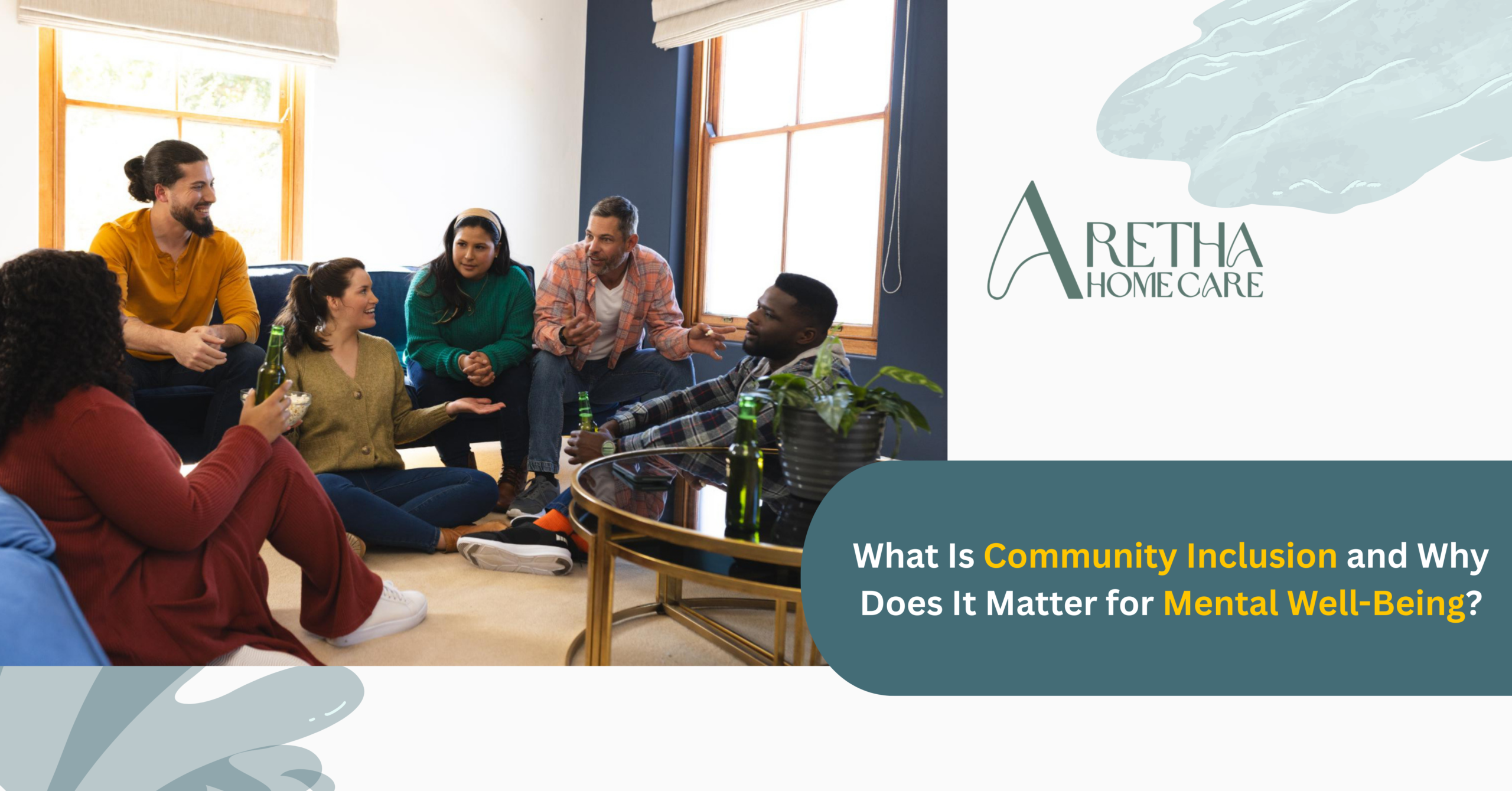
Community inclusion means everyone can join and belong. It means people take part in school, clubs, work, and fun. It means neighbors, friends, and helpers make room for everyone. Community inclusion helps people feel seen, cared for, and mentally healthy or sound.
What Is Community Inclusion?
Community inclusion is when people with different needs are welcome. It is about letting people try new things. It is about giving chances to learn and grow. Community inclusion is not only about being near others. It is about being part of what others do in a community setting.
Why Community Inclusion Matters for Mental Well-Being
Belonging makes people feel safe. When people feel safe, they smile more. They feel less lonely. They can try new things without fear. This helps their heart and mind. It helps them sleep better. It helps them feel hopeful. These are just some of the many mental and emotional benefits that come from being included.
How Community Inclusion Helps People Feel Better
When people belong, they meet friends. Friends listen and help. People learn new skills. Learning builds confidence. Confidence makes people brave. Brave people can ask for help when they need it. When people do work or join a club, they feel proud. Pride is good for the mind.
What Community Inclusion Looks Like
Community inclusion can be simple. It can be a neighbor saying hello. It can be a teacher letting a child join a game. It can be a shop that is easy to enter. It can be jobs that match a person’s skills. It can be a group that uses clear words and pictures. It can be places that are calm and kind.
How We at Aretha Homecare Help
We help people join their community. We teach skills step by step. We go with people to try new places. We train family and friends on how to support each person. We plan fun and work opportunities that match each person. We help people learn at home and in a community setting. We make sure support fits the person, not the other way around.
Our services include help with daily life. We help people learn at home and in the community. We give support at work and in training. We give quiet breaks for families. We help with language and talking if needed. We teach natural supports so neighbors and coworkers can help too. We also have therapy for the body and mind to keep people strong.
How Our Services Support Inclusion
Behavioural support helps people manage feelings and actions. Community-based support helps people join local life. Community inclusion services help people make friends. Respite care gives families rest so they can come back fresh. Individual support finds what each person can do and helps them decide what is better for their specific goals. Prevocational training helps people learn work skills. Supported employment helps people keep jobs. Interpreter services make talks easy to follow. Natural support training teaches friends and coworkers how to help. Occupational therapy and physical therapy help with body skills. Career planning helps people dream and reach goals.
Simple Steps Families and Friends Can Take
Make time for small steps. A short walk to a park can be a big win. Use kind words and clear pictures. Celebrate small wins like saying hello or trying a new food. Ask what the person wants. Let them pick one thing to try. Teach one new skill at a time. Invite a person to a group they like. Be patient and cheer them on.
How Neighbors and Community Can Help
Neighbors can say hello and invite someone to play. Shops can use signs and simple routes. Schools can let every child join clubs and games. Workplaces can offer job trials and support. Community groups can use plain words and pictures. Small changes can make big differences.
Signs That Community Inclusion Is Working
People smile more. They talk about plans. They try new things. They make friends. They feel proud of their work. Families feel stronger. The community feels kinder. These signs show that people feel they belong.
What To Do If Someone Is Lonely
Ask them how they feel. Listen. Offer to go with them to a new place. Try small visits first. Find a group that likes the same things. Connect with local helpers who know how to support. Reach out to trusted services for ideas and help.
Final Thoughts
Community inclusion gives people chances to belong. It helps minds feel calm and happy. It helps people learn, work, and play. Small acts of kindness make a big change. When we include everyone, our towns become kinder places, strengthening the link between community and wellbeing. We all feel stronger when we belong.
If you want help to make joining the community easier, we are here to support you with care that fits each person.
FAQs
Q. How do jobs and training help?
Learning and work make people feel proud and strong inside.
Q. How can we at Aretha Homecare help?
We teach skills, join people in activities, and make plans that fit each person so they can belong.

No comment