
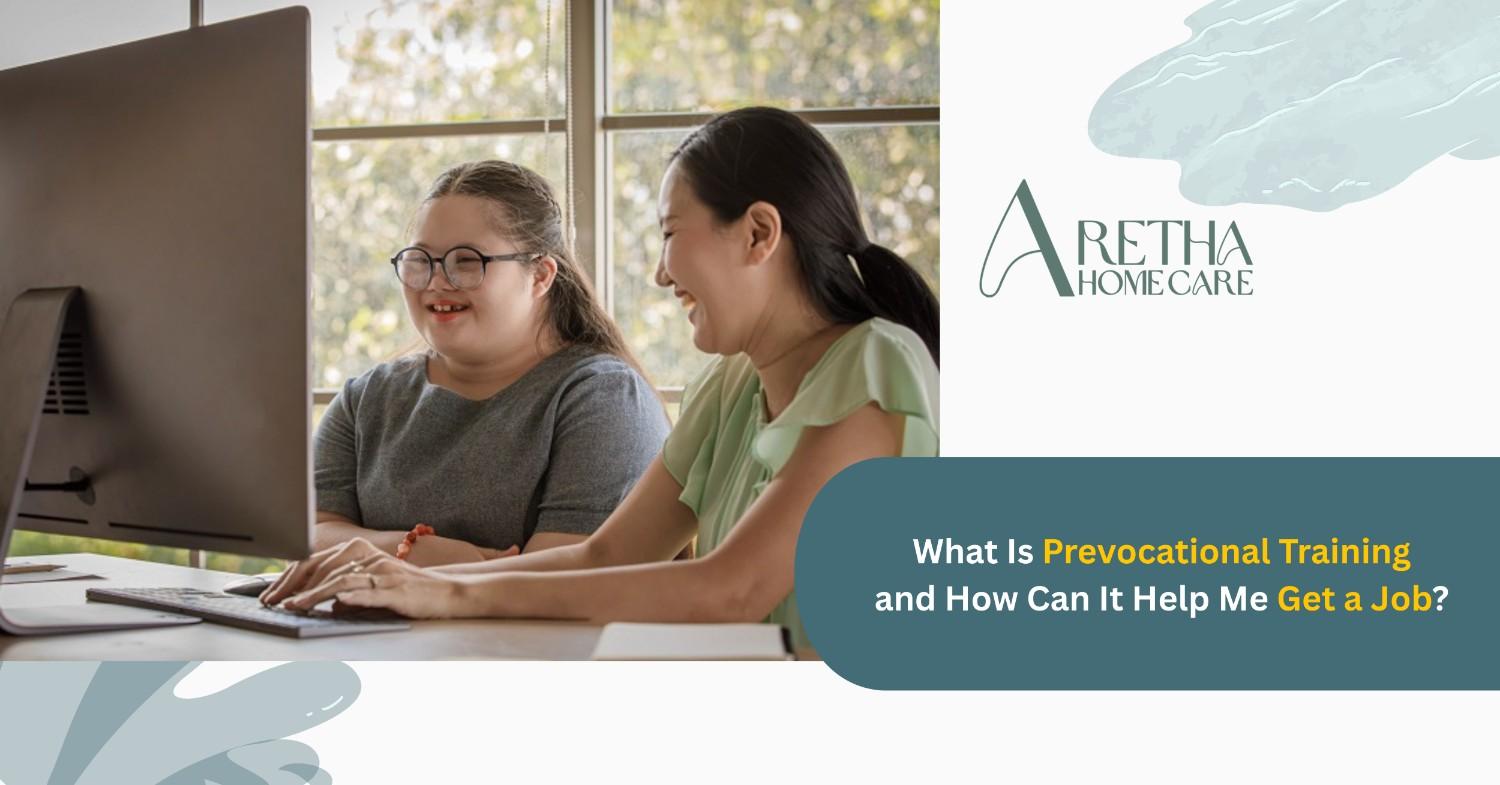
We give trusted care. It is heart-centered. We help people and families with disabilities. We make programs that fit each person. We help them feel safe and strong. One of the ways we help is through prevocational training. We’ll explain what it is and how it can help you find a job.
What Is Prevocational Training?
Prevocational training is practice for work. It teaches skills people need before a job. The skills are simple. They include being on time, following steps, using tools, talking to others, and staying safe.
People often ask, what is prevoc material? These are the simple tools, pictures, and guides we use to make learning easy. Training is hands-on and friendly. It moves slowly. The teacher shows, then the person tries. We cheer for small wins.
Who Can Prevocational Training Help?
Prevocational training can help many people. It is for people who want to work but need practice. It is a highly effective form of vocational training for special needs adults who want a new start.
It can also help people who learn in a different way or those who need support with daily tasks. We provide a list of vocational skills for students and young people who are getting ready to leave school and enter the workforce for the first time. It helps everyone feel more confident.
What Happens in a Prevocational Program?
A program uses specific prevocational training activities involving real tasks. People learn by doing. Tasks are broken into small steps. We practice each step many times. We teach how to:
- Follow a simple routine.
- Use tools or equipment safely.
- Read short instructions.
- Talk with a boss or coworker.
- Stay calm at work.
- Count money or tell time.
Training can be in a classroom, in the community, or on the job site. We make the place safe. We use easy words and pictures. We give breaks. We change the plan if someone needs more help.
How Prevocational Training Leads to a Job
Prevocational training builds work habits. Good work habits help a person get and keep a job. We help you define what is vocational goals so you have a clear path forward. Here are the steps that lead to work:
- Learn small skills.
- Practice those skills until they are easier.
- Try real work tasks in a safe place.
- Make a plan for a real job.
- Meet with employers who want to hire people with support.
This path helps people feel ready. It also helps employers see what a person can do. Employers like workers who are ready and steady. Prevocational training helps make that happen.
How We Help at Aretha Homecare
We make training that fits each person. We listen first. Then we write a simple plan. We work with families and supporters. We teach with kindness and respect. Our services that support work include:
- Prevocational Training
- Supported Employment
- Career Planning
- Individual Support
- Occupational Therapy
- Physical Therapy
- Community Inclusion
We also offer Behavioral Support, Community-Based Support, Respite Care, Interpreter Services, and Natural Support Training. These services help people stay well and ready for work.
We teach skills step by step. We use real tools and simple pictures. We help people practice in the community. We can go with them to a job interview. We can teach an employer how to give simple instructions. We help with transport and schedules. Our goal is to keep the person safe and proud.
What Makes Our Training Special
We care about each person. We match training to what they like. We respect their choice. We help them speak up for what they want. We focus on dignity and independence. Training is not one size fits all. It is warm and steady. We celebrate every small success.
Tips for Someone Starting Prevocational Training
- Tell us what you like to do.
- Try one small task at a time.
- Ask for breaks when you need them.
- Practice the same steps many times.
- Use pictures or checklists if that helps.
- Share your wins with family or friends.
Small steps lead to big changes. You do not have to rush.
Success Stories
People who finish training can find many jobs. Some start in shops, offices, cafes, or at community centers. Others work with support and grow more confident over time. A job can bring routine, money, and new friends. We are there for each step.
How to Start
If you want to learn more, call us or visit our office. We will listen and answer simple questions. We will make a plan that fits you. We will help you try new skills with care.
FAQs
Q. Do I need special tools?
Most training uses simple tools. We make sure things are safe and easy to use.
Q. Can my family join the training?
Yes. We welcome families and supporters. We teach them how to help at home and work.

No comment